The Football Association of Malawi (FAM) has operationalised the National Dispute Resolution Chamber (NDRC), a major step aimed at strengthening football governance and dispute management in the country in line with FIFA’s global standards.
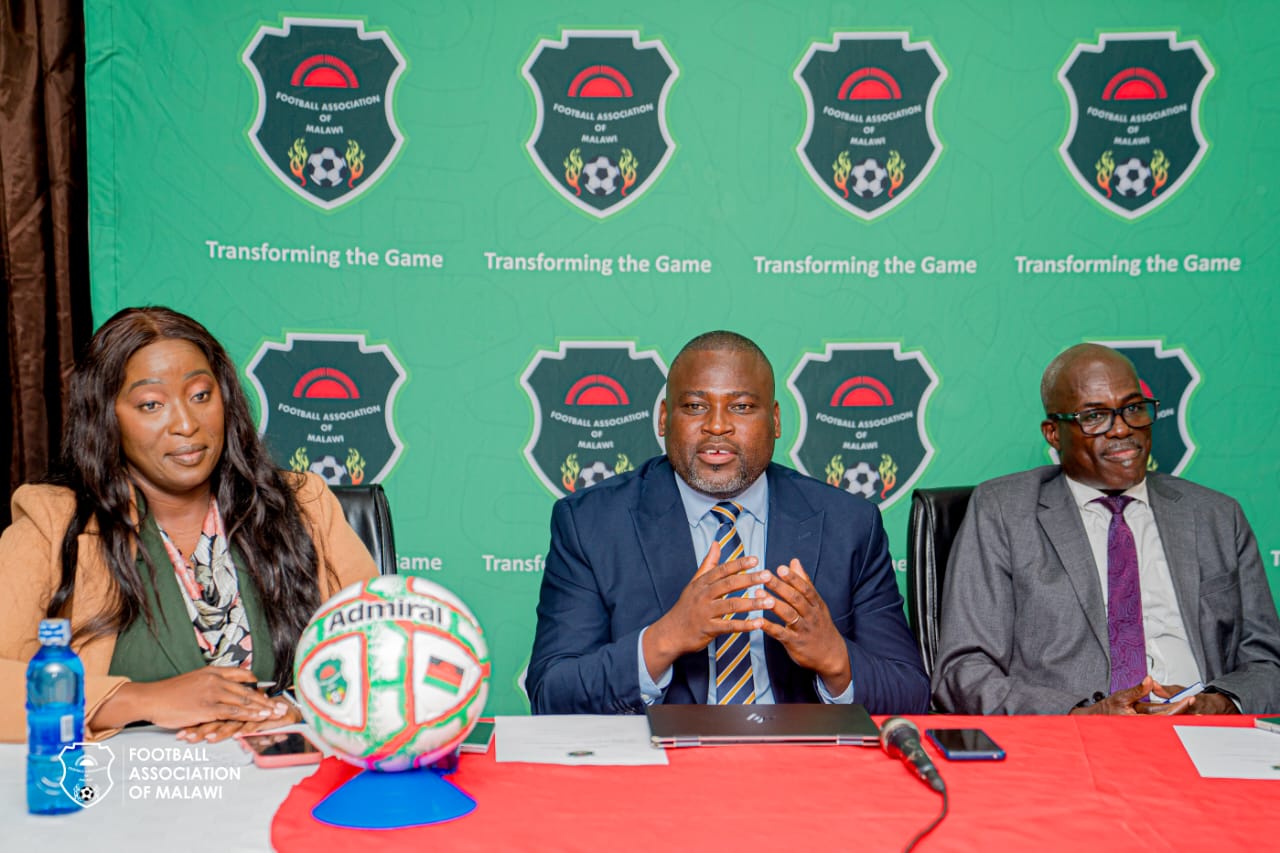
FAM President Fleetwood Haiya described the NDRC as a key pillar of the association’s governance reforms under the Transforming the Game Agenda, emphasizing its role in promoting accountability, integrity and fairness in football.
“The NDRC is a game-changer for Malawi football, promoting fairness and accountability in our beautiful game. We’re taking a huge step towards FIFA compliance and ensuring our football family resolves disputes with integrity,” said Haiya.
“This Chamber provides an effective alternative to civil courts by ensuring that football matters are resolved within a specialised sporting framework. This initiative is fully aligned with our Transforming the Game Strategic Plan, through which we are committed to elevating standards and ensuring Malawian football operates within a fair, transparent and professional system,” he added.
The NDRC will be chaired by Deputy Chief Justice Lovemore Chikopa, with Counsel Innocentia Ottober serving as Vice Chairperson. Other members include Commissioner Barbra Mchenga Tsiga, Chiza Nyirongo and Bernard Ndau.
In his remarks, Justice Chikopa described the establishment of the Chamber as a significant milestone in enhancing governance, transparency and conflict resolution within Malawi’s football structures.
“As chair, I will ensure the NDRC delivers impartial decisions, protecting the rights of all football stakeholders. This chamber will be a beacon of hope for fair play,” he said.
Under its mandate, the NDRC will have jurisdiction to hear and determine various disputes within the football ecosystem, including employment-related disputes between players and clubs, contractual disagreements, and player compensation claims.
The Chamber will also handle matters previously under the Player Status Committee, particularly those relating to player contracts, as well as issues arising from collective bargaining agreements where applicable.
In addition to its adjudicatory role, the NDRC is empowered to facilitate mediation and conciliation in disputes involving players and clubs, as well as between clubs themselves, promoting amicable settlements while providing a formal mechanism where resolution cannot be achieved.